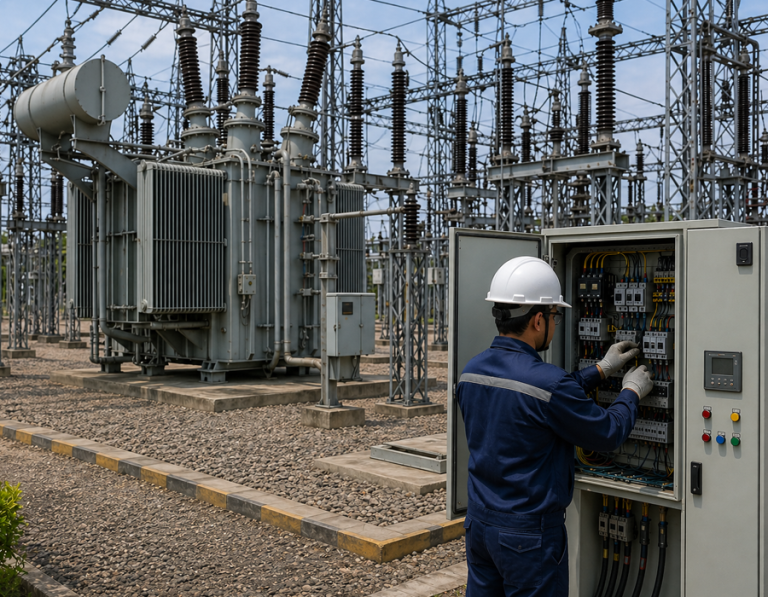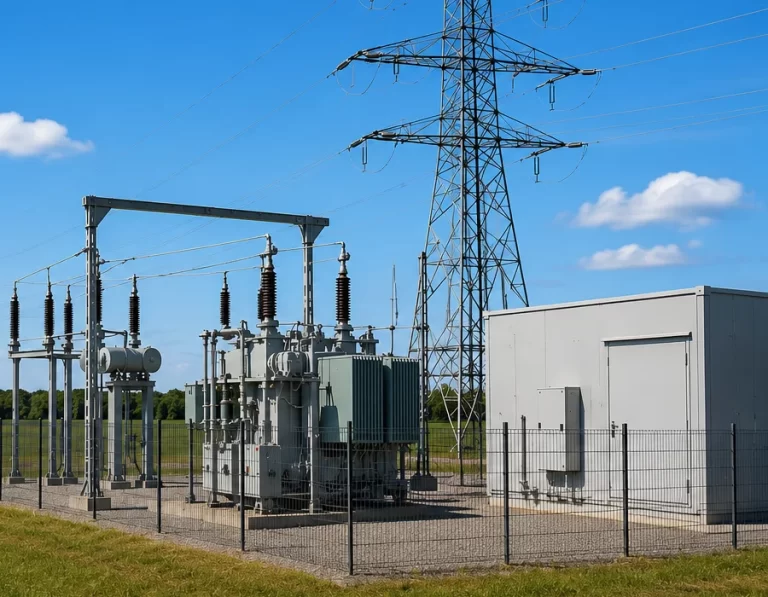

Reduce BESS energisation delays with an independent review of grid-connection evidence before commissioning and energisation.
BESST Engineering reviews compliance evidence to reduce BESS energisation delays for grid-connected systems across Australia’s National Electricity Market.
Grid-connected battery energy storage system projects in the National Electricity Market must provide traceable evidence that the installed plant aligns with the agreed connection basis. BESS energisation delays can occur when simulation models, protection systems, controller settings and commissioning procedures do not align with the connection agreement and agreed performance standards. Even when construction is complete, missing or inconsistent evidence can prevent the NSP and, where applicable, AEMO from accepting the next energisation or commissioning step.
Explore our independent grid-connection compliance review. We use the information supplied with your enquiry to confirm whether the requested solution matches our actual scope.
What Compliance Evidence Is Required Before A BESS Can Be Energised?
How Incomplete Evidence Causes Energisation Delays
Incomplete evidence slows review because assessors cannot rely on assumptions or reconstruct missing information from scattered files. When documents are outdated, inconsistent or poorly linked to agreed performance standards, reviewers may issue requests for information, prevent progression beyond a commissioning hold point or require repeated testing.
- Outdated models: PSS®E or PSCAD models may not reflect final inverter firmware, transformer data or power plant controller settings.
For useful project context, read our earlier grid-connection application resource. It supports this decision without replacing a project-specific assessment.
- Setting mismatches: PPC, inverter or relay settings may differ from values used in approved studies.
- Protection gaps: Missing test records, relay files or coordination evidence can delay approval to place equipment into service.
- Weak SCADA evidence: Incorrect scaling, missing alarms or unverified remote-control functions can delay preliminary-test acceptance and progression through commissioning.
- Poor test records: Missing raw data, calibration certificates or synchronised timestamps can make results difficult to validate.
- Uncontrolled changes: Late equipment substitutions or control updates may require assessment before energisation continues.
Building A Traceable Evidence Pack Before Commissioning
A structured evidence pack helps reviewers confirm compliance without repeatedly requesting clarification. It should create a direct line from each connection requirement to the relevant design document, model parameter, physical setting, test method and measured result.
You can also review BESST Engineering capabilities before sending your requirements, drawings, quantities or site information to our team.
- Use a compliance matrix: Map every performance standard and network obligation to supporting evidence, revision status and responsible owner.
- Reconcile models and settings: Compare simulation parameters with onsite controller, inverter and protection settings before commissioning.
- Confirm reporting requirements: Agree on test signals, sampling rates, file formats, plots and acceptance criteria before field testing.
- Apply formal change control: Record and assess firmware updates, design changes and equipment substitutions before they affect approved studies.
- Complete an independent review: Check for missing documents, conflicting revisions, open defects and unsupported assumptions before submission.
Reduce BESS Energisation Delays With BESST Engineering
Contact us to strengthen your commissioning evidence and prepare your BESS project for technical review.
Where broader obligations apply, consult AEMO connection guidance. We will confirm only the work, product selection or advice that falls within our own role.
Book A BESS Technical Triage
Facing an approval or energisation hold point? Book a technical triage and send us the current evidence register, outstanding RFIs and target energisation date. We will identify the highest-risk gaps and explain whether an independent authority review is the right next step.